
Early
A ship due on December 5 docked on November 16. For the forwarder that booked it and the brand whose goods were on board, that is good news for exactly as long as someone has time to read it.
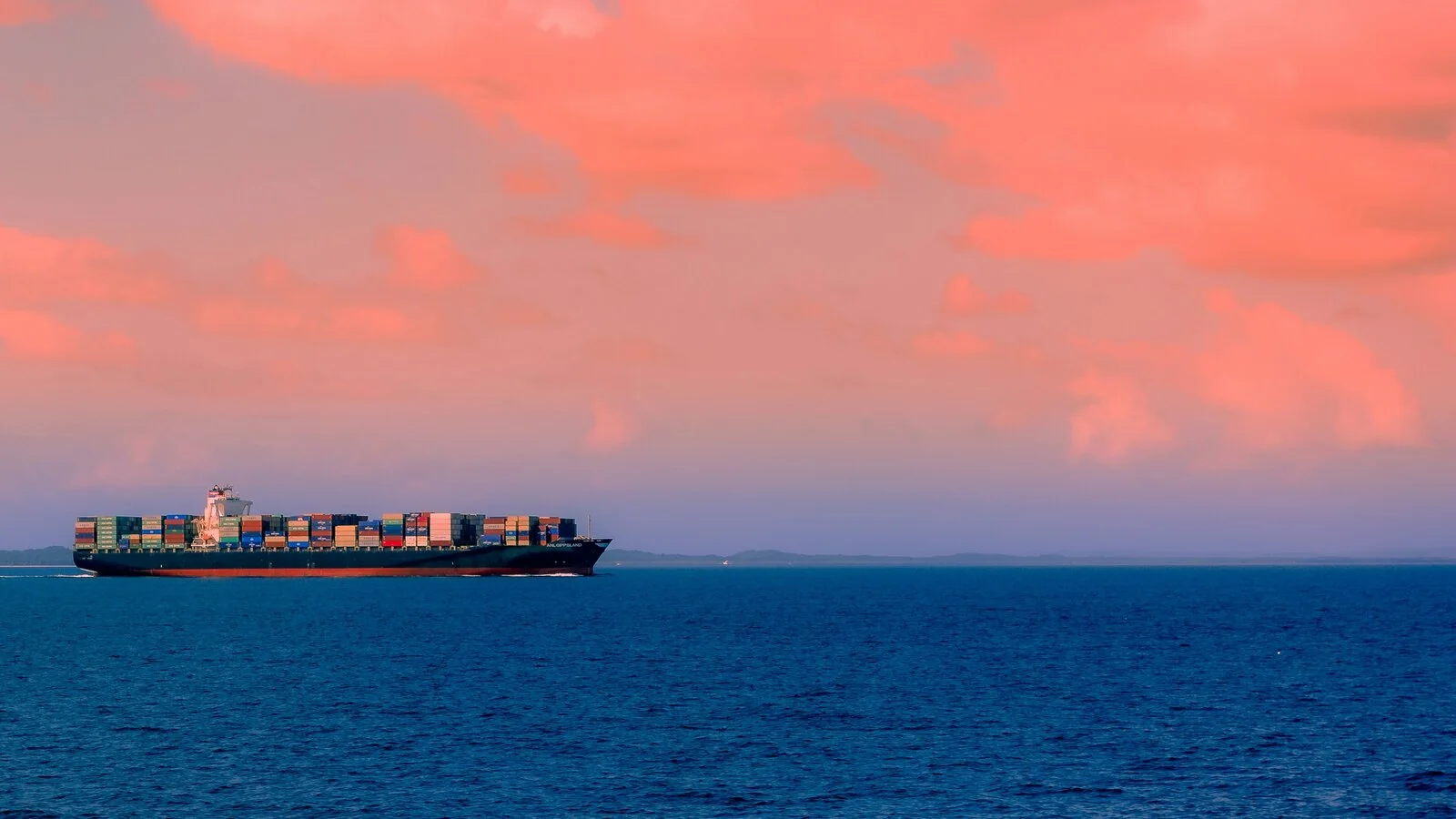
Photo: Anastasios Antoniadis on Unsplash
This month a freight forwarder told us about a vessel that had been due on December 5 and came in on November 16, because it had sailed through the Suez Canal. Containers arriving almost three weeks ahead of plan is, in the words of one of the team, "wonderful and excellent." Then came the rest of the sentence. The shipping line had sent its arrival notice, the notice was waiting in the queue behind the day's other work, and the files for that cargo were still closed.
For years the surprise in shipping ran in one direction. Cargo came late, and forwarders and the brands they serve organized their operations around that: buffers in the plan, extra stock on the shelf, people whose job is to chase what is overdue. This autumn the surprise started to run both ways.
The date on the plan
Since the start of September, more than 100 container ships of 16,000 teu and above have passed through Suez, more than in all of 2025 and the first eight months of 2026 combined, according to Lloyd's List Intelligence data. Returning to the canal can take roughly two weeks off a voyage from Asia to Europe (Lloyd's List, October 2026). A delivery plan built on the long route around Africa is about two weeks out on the day the carrier switches back.
The date was already fragile. In October, 7% of vessels sailing from the Far East to Europe arrived on time, and 24% did worldwide, the lowest monthly figure since July 2022 (Xeneta, November 2026). About half of the container ships crossing the Red Sea do so with their tracking systems switched off (Lloyd's List Intelligence, November 2026). In the same month that vessel came in early, Williams-Sonoma told investors that delays "forced us into expediting orders to meet the customer delivery dates" (third-quarter earnings call, November 19, 2026).
A schedule used to be wrong in one direction. Today the date worth planning on is the one in the latest notice for that container.
What an early ship sets off
An early arrival starts a list of jobs sooner than anyone scheduled them. At the forwarder, a file has to be opened, the customs entry prepared, delivery arranged and the customer told. At the brand, the warehouse slot and the truck were booked against the old date. Where the free days at the terminal are counted from the day a container comes off the ship, they start counting on the real date, whatever the plan says.
Then there is the part that makes it good news. Goods that land in the middle of November can be on the shelf for the heaviest selling weeks of the year. The same event is a storage bill or three extra weeks of sales, and the difference is how soon someone acts on it.
Why good news waits
The team in that story behaved the way any busy team does. A queue is worked by urgency, and operations built around lateness raise the alarm when something is overdue. A shipment running ahead looks, on the screen, like a shipment with three weeks to spare.
The pattern is wider than one forwarder. When EY surveyed more than 850 senior executives at consumer products companies, 14% strongly agreed that decisions are ultimately acted upon fast, and 6% said their suppliers can receive, interpret and act on demand and supply signals close to real time (EY, September 2026). On our own calls with brands and forwarders, the news had usually arrived already and was sitting in someone's inbox.
The information had arrived. What was missing was the time to read it.
It is fair to call this a transition. Lloyd's List reports that a full return to the canal is possible by early 2027 if security conditions allow, and schedules may settle after that. My own expectation is that the route will change again, and that whichever way it changes, the first sign will be a notice reaching one company before the plan has caught up at another.
This is work we now hand to agents at forwarders and at brands: read each notice as it lands, compare it with the date the plan still holds, and carry the change to the file, the warehouse and the customer while there is still time to use it.
One forwarding executive told us that the complaint they hear most from customers is about going without an update, ahead of price. An early ship turns that into a simple test for both sides of a shipment. If one of your containers docked three weeks ahead of plan tomorrow, how long would it take your operation to learn that it was early?
Sources: Lloyd's List, "Suez boxship return more than just a numbers game" (October 26, 2026). Xeneta Schedule Reliability Scorecard, October 2026 (published November 2026). Lloyd's List Intelligence, Red Sea Brief (November 12, 2026). Williams-Sonoma third-quarter 2026 earnings call (November 19, 2026). EY State of Consumer Products report, press release (September 15, 2026).
Kelly Breakstone Roth is the co-founder and CEO of Prysmic, where she's building the autonomous execution layer for the next generation of supply chain operations.



See the crews run on your own operation.
A working session with Kelly and Dana, in your systems.